April 2, 2026 · 9 min read
How to Practice Live Streaming and Overcome Camera Anxiety
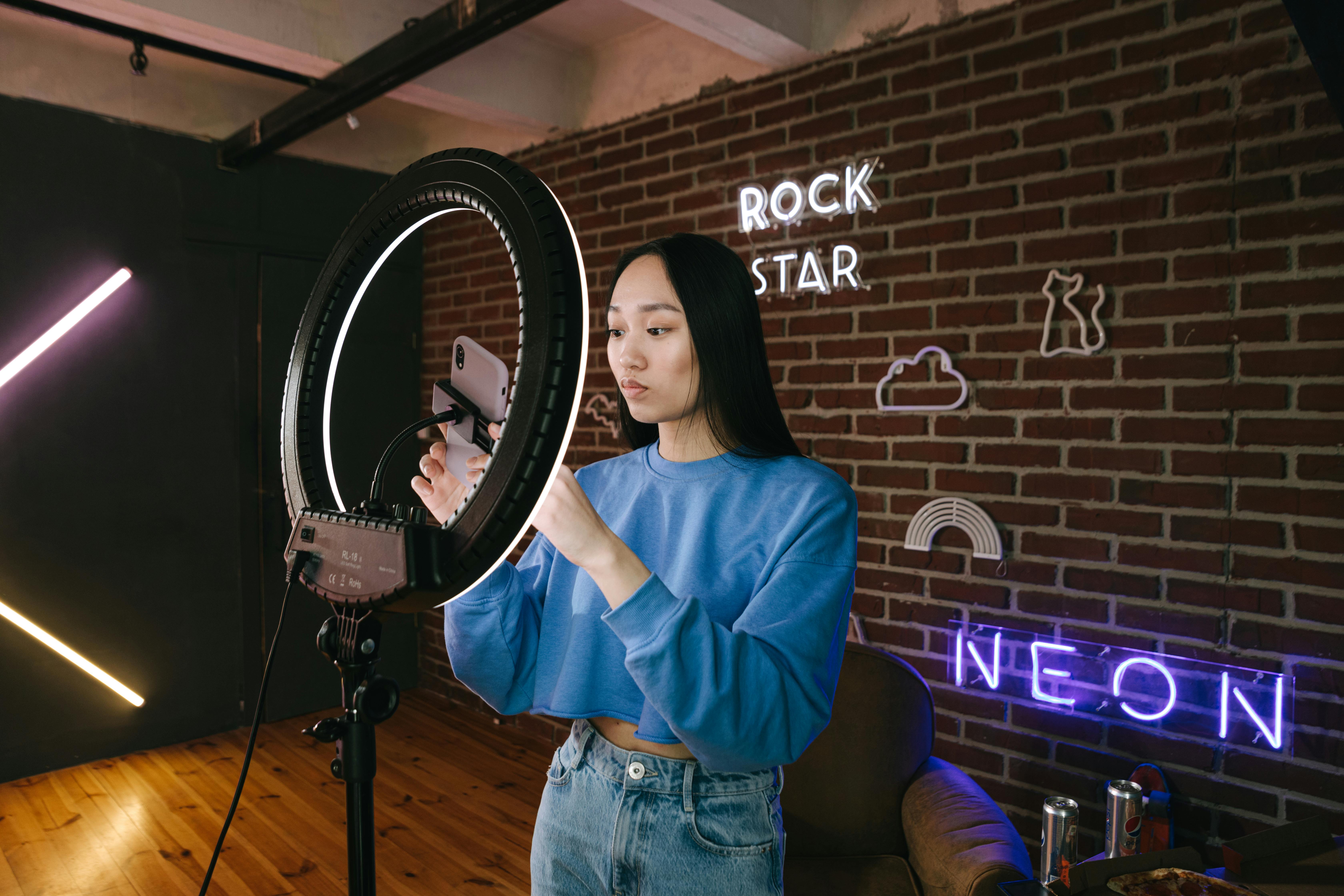
You have been thinking about going live for weeks, maybe months. You have seen other creators grow their audience through live streams on TikTok, Instagram, and YouTube. You know it works. But every time you hover over that "Go Live" button, something stops you.
You are not alone. The fear of live streaming is one of the biggest barriers for aspiring creators. Unlike pre-recorded video, there is no second take. No editing. No fixing that awkward pause. It is just you, the camera, and an audience watching in real time.
The good news is that live streaming confidence is a skill, not a personality trait. And like any skill, it gets better with practice. Here are seven practical ways to build your confidence before you ever go live for real.
1. Start by Talking to Your Camera Alone
Before you worry about an audience, get comfortable with the act of speaking on camera. Open your phone's camera app, hit record, and talk for five minutes about anything: your day, your favorite show, something you are learning.
The first few times will feel strange. You might notice nervous habits, filler words, or a tendency to avoid eye contact with the lens. That is completely normal. The point is not to be perfect. The point is to make the camera feel less like a stranger.
Do this daily for a week and you will be surprised how quickly the discomfort fades. Review your recordings to see your progress, but resist the urge to be overly critical. You are building a habit, not producing content.

2. Practice With a Small Private Audience
Most platforms let you limit who can see your stream. On Instagram, you can go live to your "Close Friends" list. On TikTok, you can set your live to private. Use these features to practice with people you trust.
Ask a friend or family member to join your stream and give you feedback. Having even one supportive viewer can simulate the social pressure of streaming without the stakes of a public broadcast. They can also tell you things you would never notice yourself, like whether your audio is clear or if your framing looks off.
Think of it as a dress rehearsal. Theatre actors do not walk on stage on opening night without one. Your live stream deserves the same preparation.
3. Prepare Talking Points, Not a Script
One of the biggest fears about going live is running out of things to say. Dead air feels like an eternity when you know people are watching. The solution is not to write a script, though. Reading from a script on a live stream sounds unnatural and kills the spontaneity that makes live content engaging.
Instead, prepare three to five bullet points. These are conversation starters you can fall back on when there is a lull. For example:
- An interesting fact or story to open with
- A question to ask your audience
- A topic you are genuinely excited to talk about
- A quick call to action (follow, like, share)
Having a loose structure gives you safety without rigidity. You will feel more in control, and your audience will never know you had a plan.
4. Set Up Your Space and Tech Beforehand
Nothing adds to live streaming anxiety like technical problems. Your camera is not working. The lighting makes you look like a shadow. There is an echo in your audio. These issues are distracting and stressful when you are already nervous.
Before any stream, real or practice, take five minutes to check:
- Lighting. Face a window or use a ring light. Avoid overhead lighting that casts harsh shadows.
- Camera angle. Position your phone at eye level or slightly above. Prop it on a stack of books if you do not have a tripod.
- Audio. A quiet room makes a huge difference. If you are in a noisy environment, earbuds with a built-in mic can help.
- Background. A clean, simple background keeps the focus on you. A blank wall works perfectly.
When your setup is dialed in, you can stop worrying about the technical side and focus on being present.
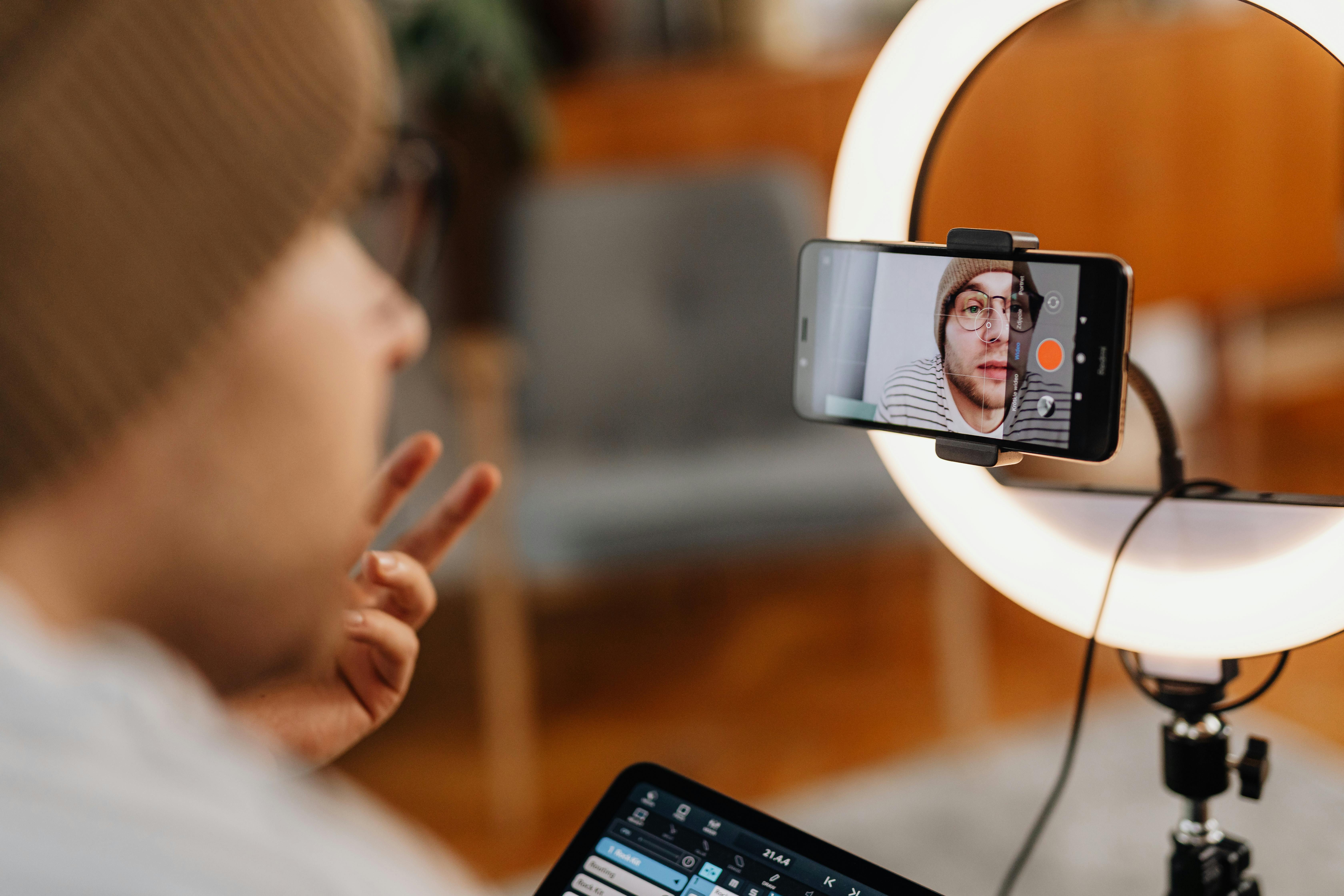
5. Use a Live Stream Simulator
Here is the thing about practicing alone: it does not fully replicate the experience of being live. When you are streaming for real, there are viewer counts changing, chat messages popping up, and that persistent awareness that other people are watching. Practicing without those elements is like rehearsing a speech in your bedroom and calling it stage practice.
A live stream simulator bridges that gap. It recreates the interface, the visual feedback, and the social dynamics of a real stream, but in a completely private environment where no one is actually watching.
LivePop is an app we built specifically for this. It simulates a live stream with AI-powered viewers who listen to what you are saying and respond with relevant comments in real time. The viewer count grows as you stream. The chat reacts to your words. It looks and feels like the real thing, but it is just you and the AI.
The value is not just in the practice itself, but in what it does to your brain. After a few sessions where you have seen a chat scrolling, responded to comments, and kept talking through the nerves, the real thing feels like something you have already done before. That familiarity is what turns anxiety into confidence.
6. Set a Time Limit for Your First Streams
When you are ready to go live for real, do not commit to an hour-long stream. Set a time limit of five to ten minutes. Tell your audience right at the start: "Hey, this is a quick one, just wanted to say hi."
Short streams accomplish several things. They reduce the pressure of filling time. They give you a natural exit point. And they leave your audience wanting more, which is always better than overstaying.
As you get more comfortable, gradually increase the length. Go from five minutes to fifteen, then to thirty. There is no rush. Consistency matters more than duration. A creator who goes live for ten minutes three times a week will grow faster than someone who forces themselves through one miserable hour and never does it again.
7. Reframe the Goal: Connection, Not Perfection
The creators who thrive on live streams are not the most polished or rehearsed. They are the ones who make their audience feel like they are talking to a friend. Live content is inherently messy, and that is what makes it compelling.
If you stumble over your words, laugh it off. If there is an awkward silence, acknowledge it: "Well, that was a pause." If something unexpected happens, roll with it. Your viewers are not watching a live stream to see a flawless performance. They are there for the human connection that only real-time interaction can provide.
Shift your internal metric from "Was that perfect?" to "Did I show up and connect?" The second question is much easier to answer yes to, and it is the one that actually matters for growth.
What to Do During Your First Real Live Stream
When you finally hit that Go Live button, here is a simple framework to follow:
Start with a greeting. Say hello, introduce yourself, and set expectations. Something like: "Hey everyone, welcome. This is one of my first live streams, so bear with me." Audiences love honesty, and this immediately takes the pressure off.
Have one topic ready. You do not need an agenda, but having one thing to talk about prevents the dreaded "so, yeah..." moment. It could be as simple as "I want to talk about what I have been working on this week."
Acknowledge your chat. When comments come in, read them out loud and respond. This is the single most effective way to keep viewers engaged and make your stream feel interactive. Even if it is just "Thanks for joining!" it makes people feel seen.
Do not watch your viewer count. This is critical. Staring at numbers going up and down will distract you and feed your anxiety. Focus on the conversation, not the metrics. You can review analytics later.
End simply. When your time is up, wrap it up naturally. Thank people for watching, let them know when you will be back, and sign off. Do not overthink the ending.
Building a Consistent Streaming Habit
Confidence comes from repetition. The first stream is the hardest. The fifth is easier. By the tenth, it starts to feel normal.
Set a schedule that you can realistically maintain. Whether it is once a week or three times a week, consistency beats intensity. Your audience will start to expect you, and that expectation becomes its own motivation.
Track your progress, but focus on the right things. Instead of obsessing over viewer counts, notice how you feel. Are you less nervous than last time? Are you filling dead air more naturally? Are you having more fun? These are the metrics that predict long-term success.
Celebrate small milestones. Your first stream. Your first live comment from a stranger. Your first returning viewer. Your first stream where you genuinely enjoyed yourself. Each one is proof that this is working.
Start Practicing Today
Live streaming anxiety is real, but it is not permanent. Every confident creator you see online started exactly where you are now. They pushed through the discomfort, practiced, and got better.
You do not have to go live today. But you can start practicing today. Talk to your camera. Set up your space. Run through your talking points. And if you want to practice in an environment that feels like the real thing, LivePop gives you a simulated live stream with AI viewers who actually respond to what you say. It is a pressure-free way to build the muscle memory of streaming before your first real audience shows up.
The hardest part is starting. Everything after that gets easier.